

“When we think of hunger and poverty, we often picture distant rural villages.”
But another reality exists much closer — in the shadows of our own cities.
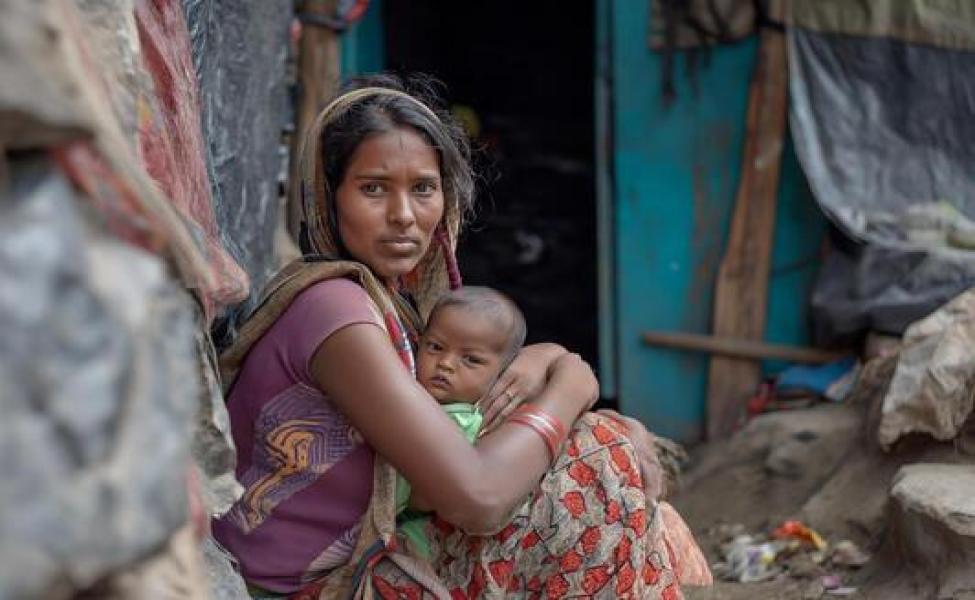
In crowded slums behind busy roads, under flyovers, and beside railway tracks, thousands of families struggle in silence.
This is the unseen face of urban poverty.
Unlike rural communities, many urban poor families lack the documentation needed to access welfare schemes.
They are migrants who came searching for opportunity — but found themselves caught in a cycle of low wages, high living costs, and no safety nets.
Without ration cards or permanent addresses, they are excluded from support systems meant to protect them.
This invisibility is one of the most dangerous aspects of urban poverty.
These families are not counted, not reached, and not served.
Hunger is not just physical — it shapes every part of life:
“Addressing urban hunger begins by reaching people where they are.”
It means:
This is not a distant problem.
It requires all of us.
When you donate to Ahara Seva, you do more than provide a meal.
You make a family visible.
You say: you matter, you are seen, and you will not go hungry today.
“This is how we begin to eradicate poverty — one act of solidarity at a time.”